

From Hyderabad to Australian Politics

From Hyderabad to Australia: Sainy Rajkumar’s Political Journey
By Y.L. Ashok, Senior Journalist
New Delhi/Hyderabad, August 20: Establishing a political party on foreign soil is an unusual political experiment. For Hyderabad-born Sainy Rajkumar, the journey has taken him from Telangana to Australia, where he founded The Republican Party with a stated focus on Indian cultural values, Sanatana Dharma, social service and greater political participation among the Indian diaspora.
Rajkumar’s political journey reflects a broader question confronting Indian-origin communities abroad: can cultural identity and community interests be translated into meaningful political participation within a multicultural democratic system?
From Hyderabad to the Australian Political Space
Rajkumar, who hails from Hyderabad, says his political initiative was driven by the belief that Indians living abroad should contribute not only economically but also to the social and political life of their adopted country.
The founding of The Republican Party therefore represents more than the creation of a political organisation. It is an attempt to provide a platform for the Indian and Telugu communities in Australia while engaging with wider public issues.
However, establishing a party is only the first step. Its long-term relevance will depend on its policies, organisational strength, grassroots engagement and ability to address issues affecting Australian society as a whole.
Engagement with Leaders in India and Australia
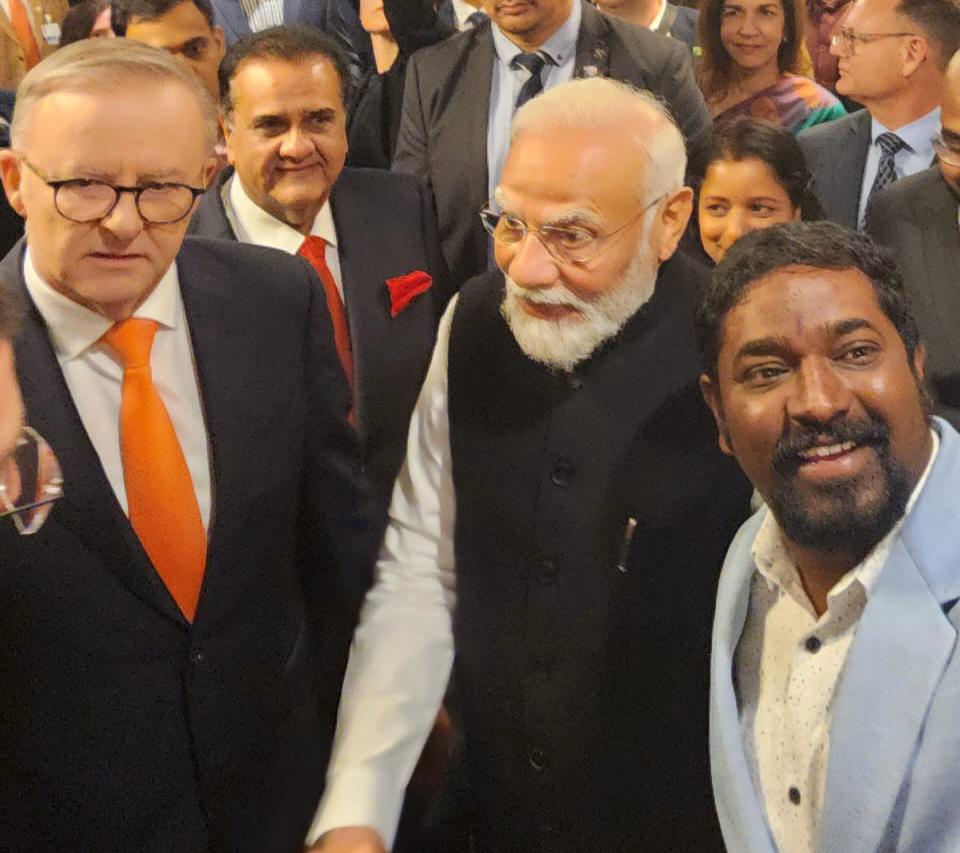
Rajkumar has stated that he explained the objectives and activities of his party to Prime Minister Narendra Modi during the latter’s visit to Australia. He has also said that he briefed Australian Prime Minister Anthony Albanese about the party and the political participation of the Indian community.
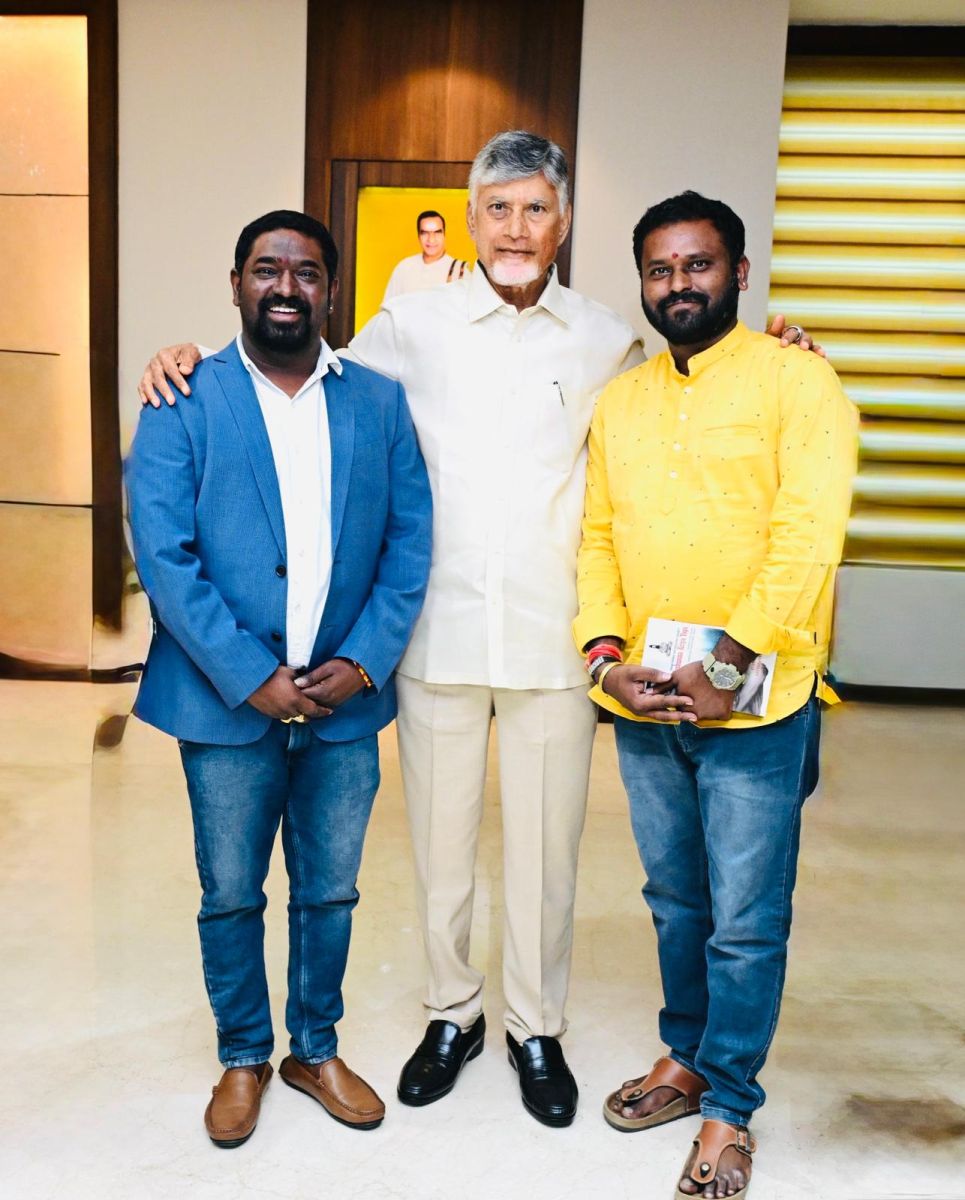
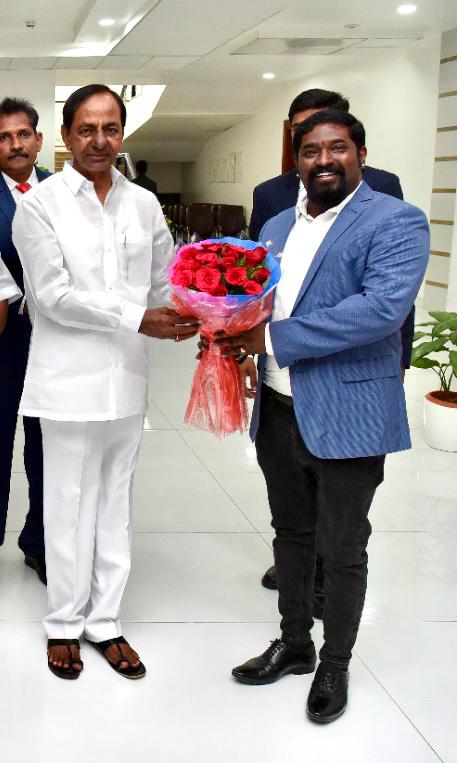
He further recalls discussions on political and party-related matters with former Telangana Chief Minister K. Chandrashekar Rao and Andhra Pradesh Chief Minister N. Chandrababu Naidu.
Such interactions, if translated into sustained political engagement, could give greater visibility to Rajkumar’s initiative. They also underline the continuing political and cultural links between the Telugu states and their diaspora.

Amit Shah Meeting Adds Fresh Attention
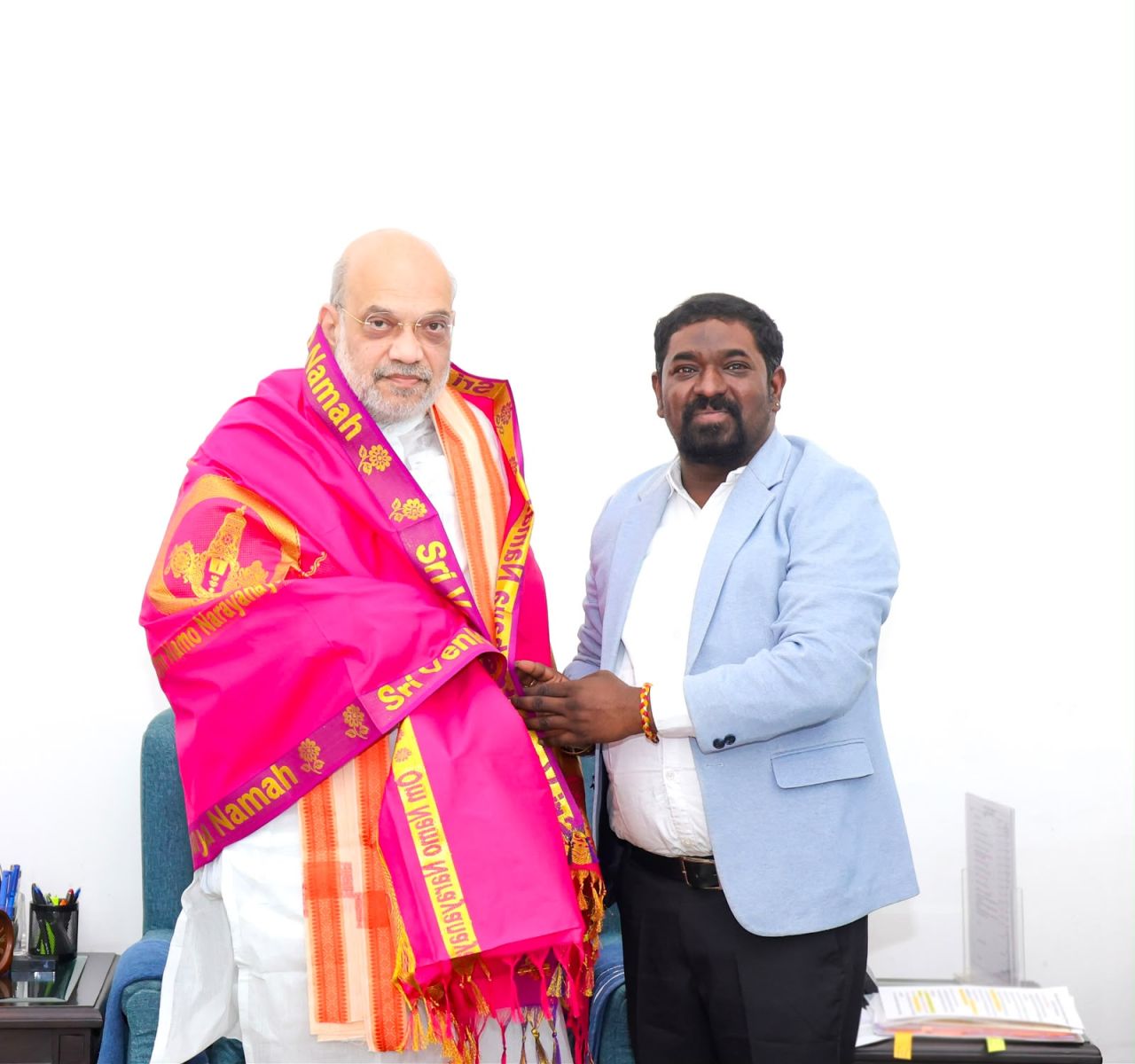
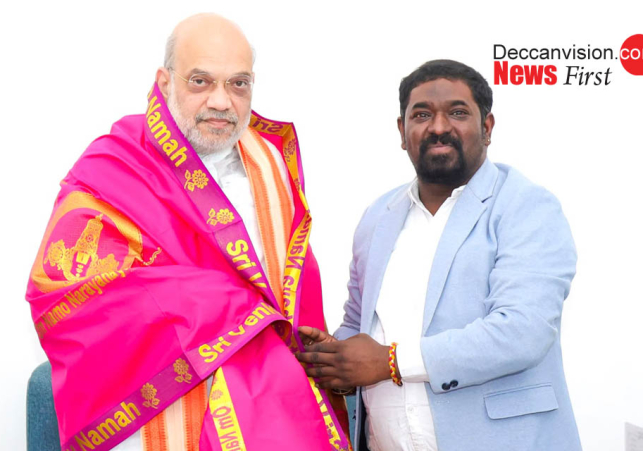
The latest development in Rajkumar’s political journey is his meeting with Union Home Minister Amit Shah at his residence in New Delhi.
According to Rajkumar, the discussion covered politics, Sanatana Dharma, Indian values, social service and the social and political participation of Indians living abroad. He described the meeting as cordial and encouraging.
The meeting has added fresh interest to his political activities and brought renewed attention to his attempt to build an overseas political platform with an Indian cultural orientation.
Beyond Identity Politics
The emphasis on Indian culture and Sanatana Dharma forms an important part of Rajkumar’s stated political vision. But the larger challenge will be balancing cultural identity with the realities of Australia’s multicultural democratic framework.
For the party to grow beyond a community-based initiative, it will need to develop clear positions on issues affecting the wider Australian population, while addressing concerns of Indians and other migrant communities. Employment, education, housing, immigration, business opportunities, youth participation and social integration are among the areas where a political organisation must demonstrate practical relevance.
The Real Test Lies Ahead
Rajkumar’s journey from Hyderabad to Australia and his effort to establish a political party abroad make for an unusual political story. His meetings and discussions with prominent Indian and Australian leaders have provided visibility to the initiative.
Yet recognition alone cannot determine political success. The real test will be whether The Republican Party can establish a credible organisation, attract young people and professionals, build public confidence and convert its stated ideals into practical policies and sustained social service.
For Rajkumar, the founding of the party is therefore not the destination but the beginning of a much more demanding political journey. Whether his Hyderabad roots and Australian political ambitions can be combined into a durable public movement remains an open question.
As Indian communities across the world become increasingly influential, Rajkumar’s experiment will be watched with interest—not merely as the journey of one individual, but as an example of how diaspora identity can evolve into political participation on foreign soil.